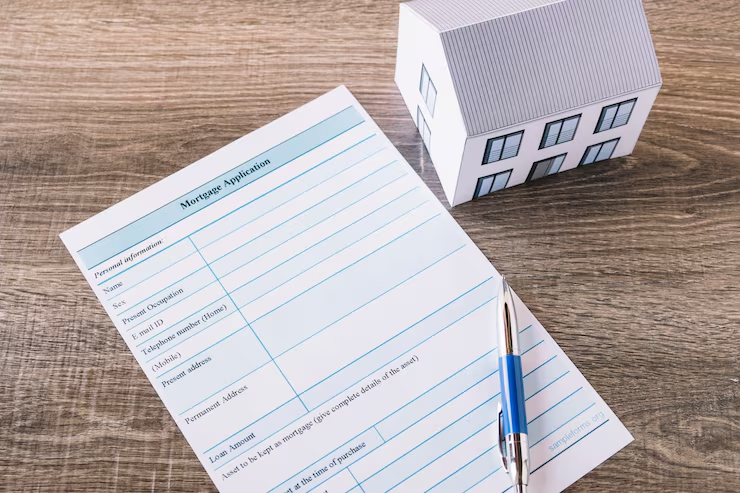
Ending a lease early can feel like an overwhelming task. Whether you've found a new job in a different city, your family needs more space, or personal circumstances have changed, breaking a rental agreement can be a complex and stressful process. Without the proper legal documentation, you risk losing your security deposit, damaging your rental history, and even facing a lawsuit from your landlord for unpaid rent. The key to a smooth, legally sound exit isn't a simple conversation—it's a formal, written agreement. A professionally designed early lease termination agreement template is the fastest and most reliable way to navigate this challenge with confidence and protect yourself from future disputes. This comprehensive guide will show you exactly how to use our template to secure a smooth and hassle-free exit, saving you time, money, and stress.
Key Takeaways
-
Formal Agreements are Essential: Never rely on a verbal agreement to break a lease. A formal, legally binding contract is the only way to officially end your obligations and protect yourself from future liability.
-
Use a Professional Template: Drafting a document from scratch can lead to missing key clauses or using incorrect legal language. Using a reliable template ensures the agreement is comprehensive, legally compliant, and helps prevent disputes.
-
Your agreement must explicitly include an official termination date, all financial obligations (like termination fees), and a release of liability that frees both you and the landlord from the original lease terms.
-
A good agreement will clearly state how your security deposit will be handled, so there are no surprises about whether it will be returned, forfeited, or applied toward a fee.
-
Learn how Wansom can streamline the entire process, allowing you to create your legal documents efficiently in a single, secure location.
What is an Early Lease Termination Agreement?
An early lease termination agreement is a legally binding contract that formally ends your current lease before the original end date. It serves as a clear, written record of the terms and conditions both you and your landlord have agreed to, protecting you from future liability. Unlike a casual phone call or an email, this document provides a definitive end date for your obligations, outlines any remaining costs, and confirms that you are released from the terms of the original lease. It's the essential tool for managing a rental agreement termination document with certainty.
Why is a Formal Agreement So Important?
A formal agreement protects both parties by eliminating ambiguity. For the tenant, it prevents a landlord from later claiming you owe more money or suing you for the full remaining term of the lease. For the landlord, it provides a clear set of conditions and a final payment from the tenant, allowing them to re-rent the property without uncertainty. Without this document, your landlord could legally hold you accountable for the entire remaining lease term or until a new tenant is found, which could take months.
Why a Template is Better Than Writing from Scratch
When you’re facing a time-sensitive situation, the last thing you want is to spend hours researching legal jargon and trying to draft a document from a blank page. A professionally designed early lease termination agreement template is the most efficient and secure solution.
The Pitfalls of a DIY Document
-
Missing Key Clauses: A standard, generic document may fail to include essential clauses like the "release of liability," leaving you vulnerable to future claims from your landlord.
-
Incorrect Legal Language: The law is precise. Using the wrong terminology can make a document unenforceable. For example, failing to properly define "damages" or "notice period" can lead to disputes.
-
Lack of Professionalism: A poorly drafted document can signal to your landlord that you are not serious, potentially making them less willing to negotiate favorable terms.
The Clear Advantages of a Template
-
Legal Compliance: A high-quality
legal lease termination formis built to comply with common real estate laws and practices. It includes all the essential clauses and legal language required to make the document valid and enforceable. -
Time Savings: Instead of spending hours researching and drafting, you can fill in a few key details and have a complete, professional document in minutes.
-
Reduces Disputes: A template provides a clear
contract termination formatand a comprehensive set of terms, leaving no room for ambiguity. This helps prevent misunderstandings and makes the entire process more peaceful.
The Wansom Difference: Our AI Makes it Easy
Our template isn't just a static document; it's a dynamic tool powered by AI that guides you through the creation process. This is the key difference between our solution and a simple downloadable form.
Instead of a blank page with fields to fill in, our AI Legal Assistant asks you a series of simple, direct questions. It then uses your answers to automatically generate a fully customized and legally sound agreement. This ensures that every required section is completed correctly and that the final document is tailored to your specific situation.
This process minimizes the risk of human error and ensures that your contract is not just a fill-in-the-blank form, but a robust legal document.
Step-by-Step Guide: Filling Out Your Template
Using the Early Lease Termination Agreement Template is a straightforward process when you have a clear plan. Here's a step-by-step guide to filling it out effectively.
Step 1: Input Basic Information
The first section will require the fundamental details of your lease and the parties involved. Be sure to provide the full legal names of both the tenant(s) and the landlord (or property management company). Include the property address and the original start and end dates of your lease.
Example Snippet:
Parties: This Early Lease Termination Agreement (the “Agreement”) is made and entered into this [Date] by and between:
Landlord: [Landlord's Full Legal Name], residing at [Landlord's Address]. Tenant: [Tenant's Full Legal Name], residing at [Tenant's Address].
Step 2: Define the Termination Date
This is a critical part of the process. You must specify the exact date on which the lease will be officially terminated. This should be a date that you and your landlord have agreed upon. Remember to provide enough notice as required by your original lease agreement.
Example Snippet:
Termination Date: The parties agree that the original Lease Agreement dated [Original Lease Start Date] for the property located at [Property Address] shall be terminated effective [Agreed-Upon Termination Date] (the “Termination Date”).
Step 3: Specify Costs and Penalties
If your landlord has agreed to a specific fee for breaking the lease, this is where you'll include it. The template will have a dedicated section for legal lease termination form costs, such as:
-
The early termination fee (e.g., "Two months' rent").
-
Any remaining utility bills or outstanding rent.
-
The final amount due from the tenant upon signing the agreement.
Example Snippet:
Financial Obligations: In consideration for the early termination of the Lease, the Tenant agrees to pay the Landlord a lump sum of [Agreed-Upon Termination Fee Amount in Dollars] ([Amount in Words]), which shall be paid no later than [Payment Date].
Step 4: Outline Return of Security Deposit
The template will have a clause that clarifies what will happen to your security deposit. It will confirm whether the deposit will be returned, applied to any outstanding fees, or forfeited entirely. This leaves no room for confusion later on.
Example Snippet:
Security Deposit: The parties agree that the security deposit of [Security Deposit Amount] paid by the Tenant shall be handled as follows: [e.g., applied to the termination fee, returned to the Tenant within 30 days, or forfeited by the Tenant].
Step 5: Detail the Condition of the Property
The agreement must include a clause that specifies the condition in which you will leave the property. This typically states that the tenant must leave the unit in "broom-clean" condition, with no damages beyond normal wear and tear.
Example Snippet:
Condition of Property: The Tenant agrees to surrender possession of the Property on the Termination Date in a clean, orderly, and well-maintained condition, subject only to reasonable wear and tear. The Tenant shall remove all personal belongings from the Property prior to the Termination Date.
Step 6: Review and Sign
Carefully read the entire document to ensure all the information is accurate and that you understand every clause. Once you are both comfortable with the terms, both the tenant and the landlord must sign and date the document. This is your official, legally binding termination agreement.
Key Clauses Your Termination Document Needs
A good template for ending lease early will include these key clauses to ensure a comprehensive and legally sound agreement that protects you.
-
Release of Liability: This is the most important clause. It states that once the agreement is signed and the tenant has met their financial obligations, both parties release each other from any further liability under the original lease. Without this, your landlord could still pursue you for future rent.
-
Notice of Termination: Specifies that the document serves as the formal notice to terminate the lease, replacing any prior verbal or written communication.
-
Governing Law: This clause states which state or local laws will govern the agreement, which is essential for legal enforceability in your specific jurisdiction.
-
Severability Clause: A standard legal clause that ensures if any single part of the agreement is found to be invalid, the rest of the document remains enforceable.
Common Mistakes to Avoid When Drafting Agreements
Even with a template, it’s important to avoid these common mistakes that can undermine your agreement and expose you to risk.
-
Mistake #1: Relying on Verbal Agreements. A promise to let you out of the lease is meaningless unless it's in writing. A verbal agreement is difficult, if not impossible, to prove in court. Always get it in writing.
-
Mistake #2: Not Getting a Signature from All Parties. A document is useless without both the tenant's and the landlord’s signatures. Ensure every person listed on the original lease and every landlord or property manager signs the final document.
-
Mistake #3: Forgetting to Define All Costs. If you leave any costs or penalties open-ended, the landlord can claim them later. Ensure all fees, including any re-rental costs or outstanding utility bills, are clearly stated and finalized in the agreement.
-
Mistake #4: Using Vague or Ambiguous Language. Phrases like "at a later date" or "a reasonable fee" are too vague. Be specific. State exact dates and dollar amounts to prevent disputes.
Create, Sign, and Store Agreements with Wansom
With Wansom, creating, signing, and storing legal documents, including an early lease termination agreement, becomes seamless and efficient. Our platform empowers you to quickly generate a contract tailored to your needs, saving time and ensuring accuracy. We streamline the signing process, allowing all parties to sign electronically from anywhere, eliminating the need for physical paperwork and expediting the agreement process. Additionally, Wansom is a centralized hub for securely storing all your contracts, providing easy access and organization. Whether you're managing a lease termination or any other type of agreement, Wansom simplifies the entire lifecycle, empowering you to move forward confidently.
Leave a Reply