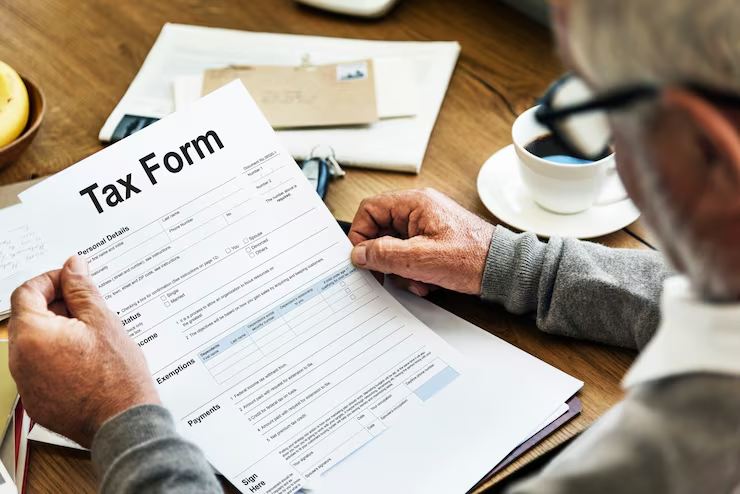
Whether you're a student starting your first freelance gig, a budding entrepreneur launching a small business, or an NGO leader applying for grants, you've likely heard of the KRA Tax Compliance Certificate. But what exactly is it, and why is it so crucial in 2025? This comprehensive guide will demystify the certificate, explaining what it is, when and why you need it, and how to get one quickly and easily through the iTax Kenya portal.
Over the past few years, the Kenya Revenue Authority (KRA) has significantly streamlined its processes, moving all tax-related functions to the digital sphere. The TCC is a cornerstone of this digital transformation. It's not just a piece of paper; it’s a living document that reflects your tax health in real time, making it a powerful tool for financial and legal validation in Kenya’s modern economy. For a sole proprietor, it signifies professional credibility, while for a company, it’s a mark of corporate responsibility. Understanding the ins and outs of this certificate is a prerequisite for anyone engaging in business or formal employment in Kenya.
Key Takeaways
-
A KRA Tax Compliance Certificate (TCC) is a mandatory digital document from the Kenya Revenue Authority proving you've fulfilled your tax obligations.
-
It's essential for a wide range of activities, including securing employment, bidding on government tenders, and getting financial services.
-
The entire application process is done online through the iTax Kenya portal and is instant if your tax record is clean.
-
Rejections are common but easily fixed, usually by filing an unfiled return or settling an outstanding tax liability.
-
All individuals and businesses with a PIN are required to file annual tax returns, even if they have no income, to remain compliant.
What is a KRA Tax Compliance Certificate?
A KRA Tax Compliance Certificate (TCC) is a document issued by the Kenya Revenue Authority (KRA) that confirms an individual or business has fulfilled their tax obligations for a specific period. It is essentially a "clean bill of health" from the tax authority, proving that you have filed your tax returns and settled any outstanding tax liabilities.
Think of it as your official tax passport. Without it, you may be barred from accessing various economic opportunities, public services, and government tenders. The certificate is valid for a period of 12 months, after which you must apply for a new one. The TCC is more than just a formality; it is a critical component of building trust in the business environment. It reassures employers, clients, and financial institutions that you are a responsible citizen or business entity that contributes to the nation's development.
Key Terms You Need to Know
-
iTax Kenya: This is the KRA’s online platform for filing returns, paying taxes, and managing your tax affairs. All applications for the TCC are done through this portal. The platform has been enhanced to provide taxpayers with a more user-friendly interface and real-time updates on their tax status.
-
PIN: Your Personal Identification Number is a unique number issued by KRA. You must have a valid PIN to access any KRA services, including applying for a TCC. For individuals, this number is typically linked to your national ID. For companies, it is a separate corporate identification number.
-
Tax Liability: This refers to any amount of tax you owe to the KRA, whether it's income tax (PAYE), Value Added Tax (VAT), Withholding Tax, or any other levy. To get a TCC, your tax account must show a clean record with no pending liabilities, including accrued interest or penalties from late filing.
Why the KRA Tax Compliance Certificate Matters in 2025
The TCC has become more than just a formality; it’s a non-negotiable requirement for participating in a wide range of activities in Kenya. Here’s why it’s more important than ever:
-
Securing Employment and Contracts: Many employers now require a TCC from new hires, especially for senior roles or those involving sensitive financial information. For freelancers and consultants, a TCC is a standard requirement for signing contracts with both private companies and government agencies. For example, a freelance web developer bidding on a project for a multinational company in Nairobi will often be asked for a TCC as part of the due diligence process. This proves to the client that you are a legitimate business entity and not an informal operation. A good example would be when you are signing an Employment Contract Template on our platform.
-
Government Tenders and Procurement: If you want to bid on a government tender, the TCC is one of the first documents you'll be asked for. It's a mandatory requirement under the Public Procurement and Asset Disposal Act. Government agencies, parastatals, and county governments all require a valid TCC to even be considered for a tender. This measure is a key part of the government’s effort to ensure all economic participants are tax-compliant, creating a level playing field and preventing corruption. Without a TCC, your bid will be rejected automatically.
-
Accessing Loans and Financial Services: Banks and other financial institutions often require a TCC as part of their due diligence before approving loans, mortgages, or credit facilities. They use the TCC to verify your financial standing and tax history, which is a crucial part of their risk assessment. This is especially true for SMEs and individuals applying for significant credit, as a TCC proves your financial responsibility and ability to meet obligations.
-
Business Licensing and Renewal: To obtain or renew many business licenses, including liquor licenses and certain trade permits, a TCC is a prerequisite. Local government authorities often cross-reference your KRA status with their own records to ensure you are operating a fully compliant business. This also applies to professional licensing bodies that may require a TCC for their members, reinforcing the importance of tax compliance within professional fields.
-
Property Transfers: When you buy or sell a property, a TCC may be required as part of the legal process to ensure all tax obligations related to the transaction are met. This includes ensuring that land rates are up-to-date and that there are no pending tax issues that could complicate the transfer of ownership. It is a critical legal safeguard for both the buyer and the seller.
-
Import and Export: Importers and exporters must present a valid TCC to clear goods at customs. This is a measure to ensure that all businesses involved in international trade are up-to-date with their tax payments, particularly VAT and import duty. The electronic Customs Management System (iCMS) is directly linked to the KRA iTax portal, making TCC verification seamless.
The Consequences of Not Having a TCC
Operating without a valid TCC can have serious repercussions, including:
-
Disqualification from Opportunities: The most immediate consequence is being locked out of economic opportunities. You will be automatically disqualified from bidding for tenders, securing certain contracts, or even being considered for some jobs. For instance, a small NGO applying for grant funding from a major international body will be disqualified if they cannot produce a valid TCC. This effectively stunts the growth of your business or career, regardless of your skills or expertise.
-
Hefty Penalties: The KRA imposes heavy penalties for late or non-filing of tax returns, which will prevent you from obtaining a TCC until all fines are settled. These penalties can be substantial and can quickly spiral into a large financial burden. For example, the penalty for late filing of an individual's income tax return is Ksh. 20,000 or 5% of the tax due, whichever is higher. For companies, the penalties are even more severe. These penalties must be paid in full before a TCC can be issued.
-
Legal Complications: Failure to comply with tax laws can lead to legal action, fines, or other punitive measures from the KRA. In the worst-case scenario, the KRA can freeze your bank accounts or seize assets to recover unpaid taxes. Operating without a valid TCC puts you at risk of a full-scale legal investigation by the tax authority.
How to Check Your KRA Tax Compliance Certificate Status Online
Before you apply for a new certificate, it's wise to check your current status. The process is simple and can be done from the comfort of your home or office.
-
Visit the iTax Portal: Go to the official KRA iTax portal at https://itax.kra.go.ke/.
-
Navigate to the Status Check: On the main page, find and click on the "Verify TCC/WHT Certificate" link.
-
Enter Your Details: You will be prompted to enter the Certificate Number and your PIN. If you don't have the certificate number, you can verify your status using the PIN.
-
Confirm the Status: The system will instantly display the status of your TCC, including its validity period and whether it is genuine.
Step-by-Step Guide: How to Apply for a KRA Tax Compliance Certificate in 2025
The process for applying for a TCC is straightforward if your tax record is in order.
Step 1: Log in to the iTax Portal
-
Go to the KRA iTax portal.
-
Enter your PIN and password.
-
Answer the security question and click "Login."
Step 2: Request the TCC
-
Once logged in, navigate to the "Certificates" tab on the top menu.
-
Click on "Apply for Tax Compliance Certificate."
-
Select "Tax Compliance Certificate" from the dropdown menu.
Step 3: Fill in the Application Form
-
The system will automatically populate your PIN and name.
-
For the "Reason for application" field, select the most relevant reason from the dropdown menu (e.g., "Tender/Contract," "Employment," "Business Registration," etc.).
-
Click "Submit."
Step 4: Download Your TCC
-
If your tax record is compliant, the system will process your application instantly.
-
A message will appear confirming that your application has been submitted successfully.
-
Go to the "My Certificates" section to download your TCC. You can print it or save it as a PDF.
Note: If your application is rejected, the system will provide a reason. This usually indicates an outstanding tax liability or an unfiled tax return. You must address this issue before you can successfully apply for a TCC.
Addressing Common Reasons for TCC Rejection
Don't panic if your application is rejected. The KRA system is designed to provide you with the exact reason for the rejection, allowing you to take corrective action. Here are the most common reasons and how to fix them.
Reason 1: Unfiled Tax Returns
This is the most frequent reason for rejection. Even if you don't have any tax to pay, you are still required to file a "Nil Return."
-
Solution: Go to the "Returns" tab on iTax and select "File Nil Return." This will bring your tax account into compliance. It's important to remember that all individuals and businesses with a PIN are obligated to file a return every year, regardless of their income. This applies to everyone, from a full-time university student with no income to a retired citizen. Filing a Nil Return is a simple but critical step to avoid penalties and remain tax-compliant. For business tax matters, you may need a robust Business Agreement Template to formalize your financial dealings.
Reason 2: Outstanding Tax Liabilities
This means you have a pending tax bill that needs to be paid. This could be from a previous year's assessment, a penalty for late filing, or unpaid VAT.
-
Solution: Go to the "Payment" tab and generate a payment slip for the outstanding amount. You can then pay this amount through M-Pesa or a bank. Once the payment is reflected in your iTax ledger, you can re-apply for the TCC. It's vital to check your tax ledger regularly to avoid these situations. Any tax, even a small amount from an old PAYE error, can prevent you from getting your TCC.
Reason 3: Tax Deregistration
If your PIN has been deregistered, you will not be able to get a TCC. This usually happens if KRA believes the PIN is no longer in use.
-
Solution: You must visit the nearest KRA office to explain your situation and have your PIN reactivated. Bring your original ID and a copy of your PIN certificate. It's a manual process that can be resolved quickly as long as you provide the necessary documentation.
Simplify Your KRA Tax Compliance with Wansom
Navigating the tax landscape and ensuring you have all the necessary documents can be a daunting task. At Wansom.ai, we understand these challenges. That's why we offer a comprehensive KRA Tax Compliance Certificate Template to guide you through the process, ensuring you have all the necessary information and documents in one place.
Our platform makes it easy to understand the requirements, prepare your documents, and stay organized. With Wansom
Leave a Reply